Guide to classifying the hardness of gemstones in jewellery
In the fine jewellery industry, understanding the hardness of gemstones is essential to selecting the right pieces that can withstand daily wear and tear. That's why, on this occasion, we want to delve a little deeper into this topic, because we believe that knowing about it will help you choose your next piece of jewellery.
Without getting into technicalities, we are going to clear up any doubts you may have about the hardness of minerals, as well as tell you about the tool used in gemmology to measure this characteristic: the Mohs scale, defined by the German geologist Friedrich Mohs in the second decade of the 19th century.
The resistance of minerals
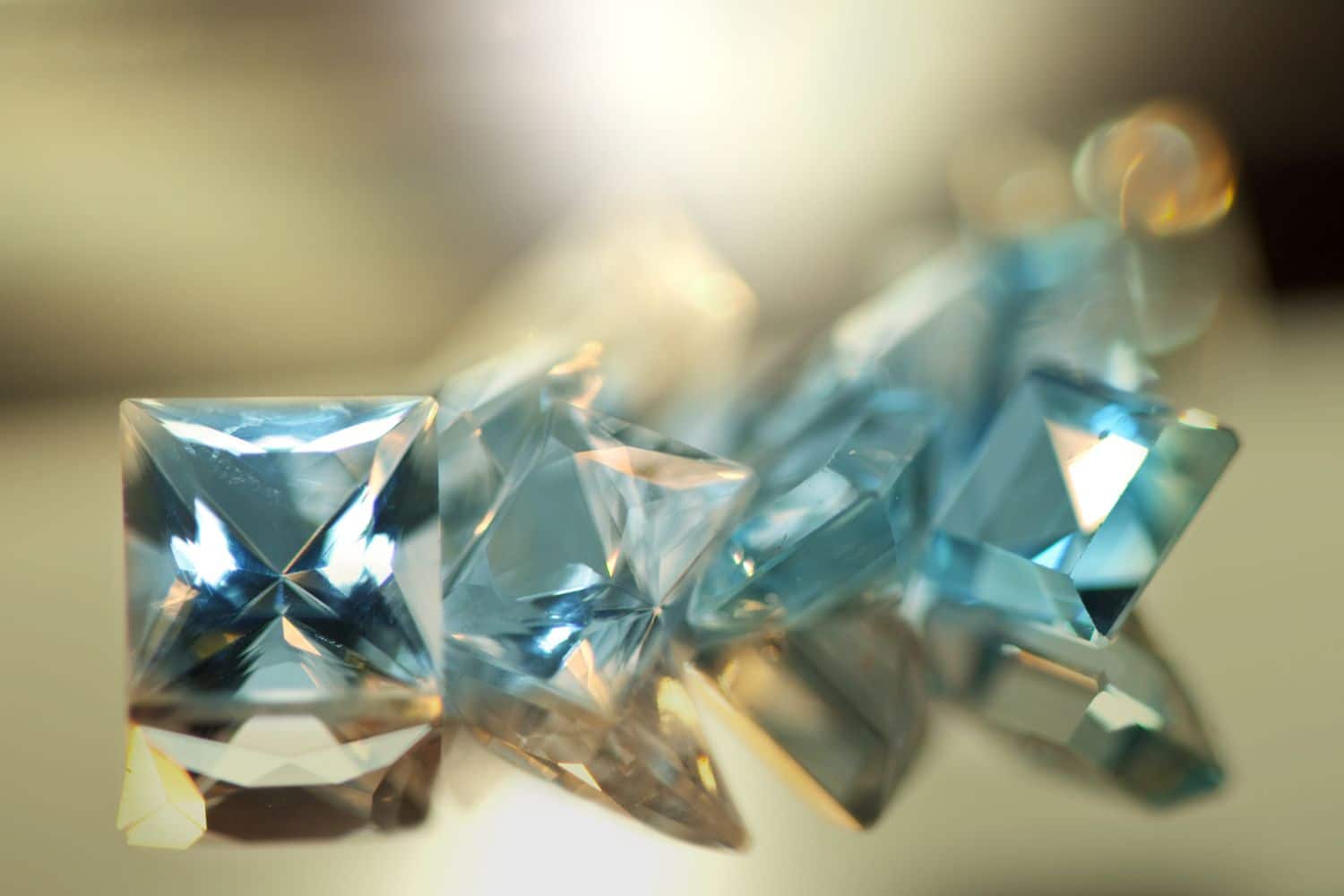
The hardness of gemstones is one of the most important properties of these stones, but do you know exactly what it is? It is very easy. When we talk about this characteristic, we are referring to the resistance of the minerals to scratches on their surface.
But let's go a little deeper, because, although hardness can be measured by different methods, such as the Knoop hardness test or the Rosiwal scale, the most commonly used method is undoubtedly the one defined by Mohs.
Mohs scale: which mineral scratches which mineral?
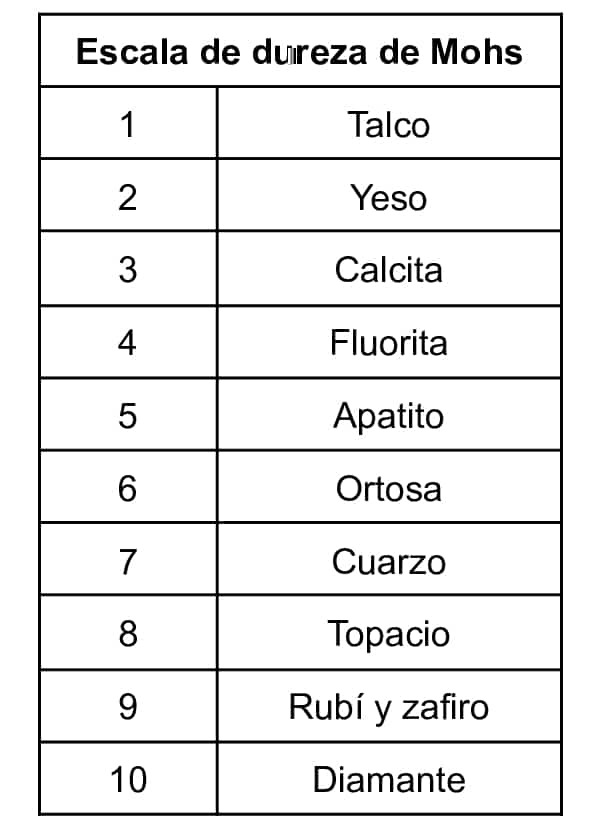
The Mohs scale, which assigns numerical values from 1 to 10 (from the lowest to the highest hardness), is based on the principle that any mineral can scratch softer minerals. However, the reverse is not true.
In the ratio of minerals on the Mohs scale, of which there are 10 in total, diamond has the highest hardness, while talc has the lowest.
Is it important to know the hardness of gemstones when choosing jewellery?
There is no doubt about it. The hardness of a gemstone is a fundamental aspect to consider when choosing a piece of jewellery, as it determines its resistance to scratching, damage and wear over time.
Harder gemstones are ideal for jewellery that is worn daily such as engagement rings and wedding bands with diamonds, rubies or sapphires.
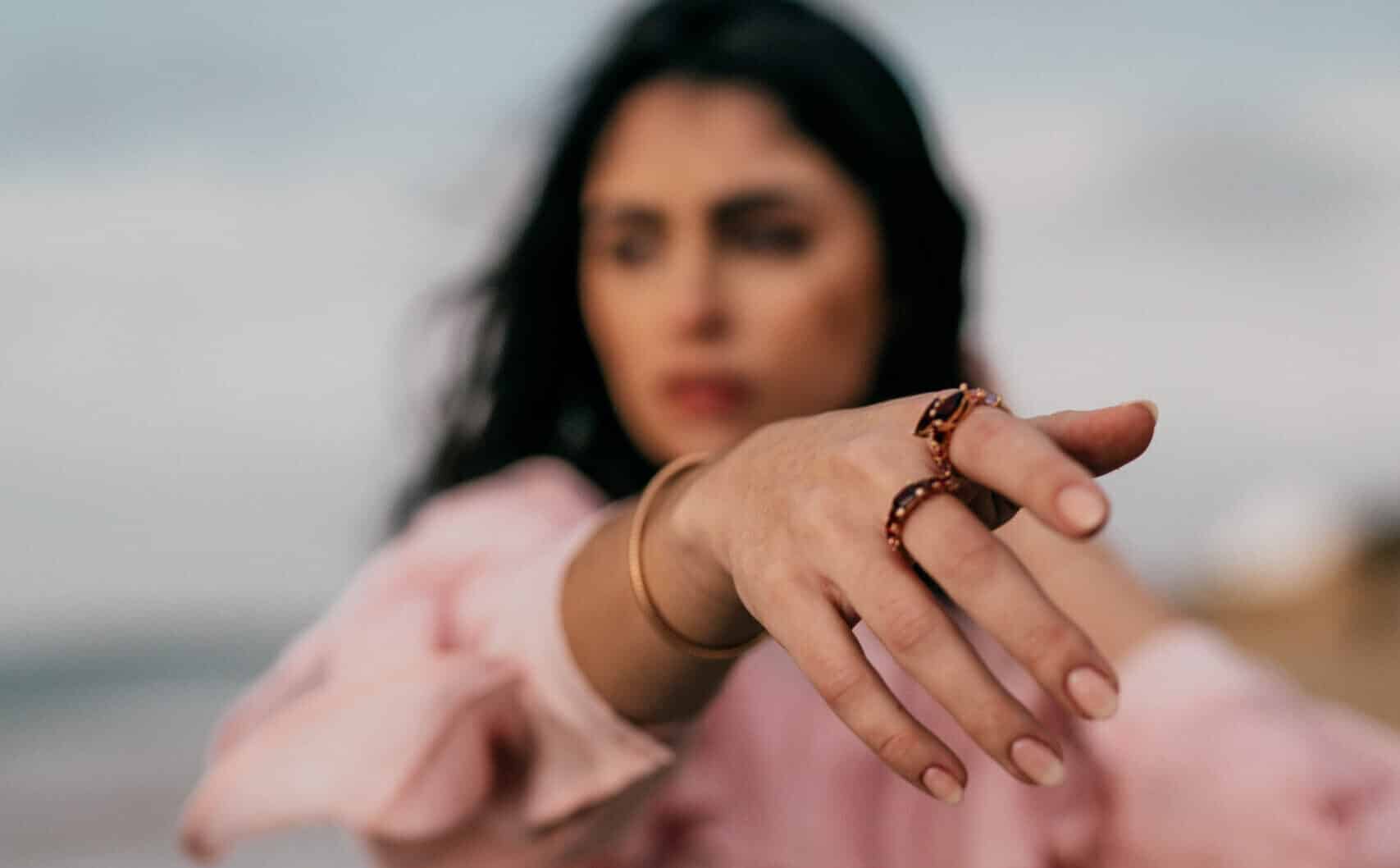
Top 3 gems with the highest hardness
Diamond: the invincible gem
Diamond has a hardness of 10 on the Mohs scale. It is the hardest and most valued stone, not only for its beauty, but also for its industrial utility.
Ruby, passion red
Ruby has a hardness of 9 and is known for its deep red colour. It is ideal for constant wear jewellery and has been featured in films such as The Wizard of Oz.
Sapphire, power of attraction
Sapphire also has a hardness of 9. Although blue is the most popular, sapphires come in many colours. It is often found in bridal jewellery such as the Monica earrings.