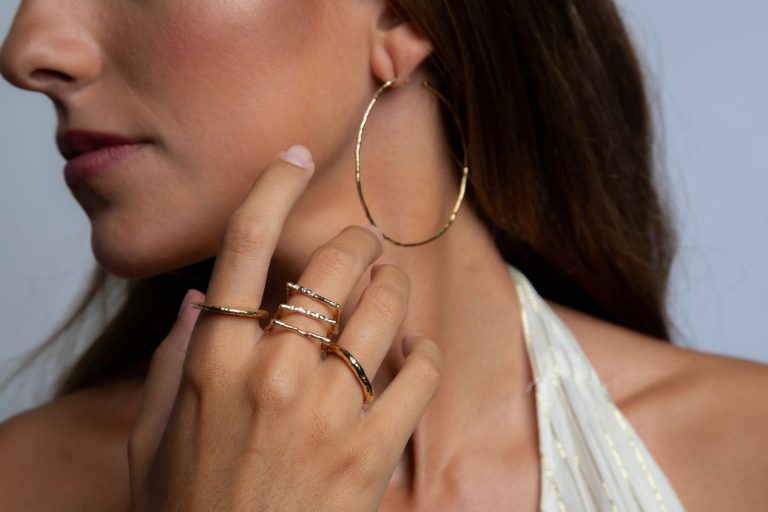
The rose gold has become one of the biggest trends in the world of contemporary jewellery. Its warm, romantic and subtle tone has established it as a sophisticated alternative to traditional yellow gold or elegant white gold. However, despite its growing popularity, many people do not know that rose gold it is not a type of natural gold, but an alloy carefully created from pure gold and other metals such as copper and, in some cases, silver.
This fusion not only gives it its distinctive colour, but also enhances the metal's physical properties, making it stronger and more versatile for craftsmanship and everyday use. Below, we explore in depth the history, composition, characteristics, uses and value of rose gold, an increasingly popular choice for designers and jewellery lovers alike.
What exactly is rose gold?

Unlike pure gold, which has a bright yellow colour and a soft texture, the rose gold is a metal alloy. It is created by mixing pure gold with copper, and occasionally with silver, in specific proportions that determine its colour and hardness. The amount of copper in the formula is critical: the more copper is added, the deeper and more intense the pink tone will be.
The exact combination of metals depends on the manufacturer and the desired visual effect, but in general, the typical formula for an alloy of 18-carat rose gold includes:
75% pure gold
22.5% copper
2.5% silver
This mixture not only results in a visually appealing metal, but also in one stronger and more durable than pure gold, making it ideal for the creation of jewellery that must withstand daily wear and tear.
The role of copper and silver
The copper is the element that most influences the colour of rose gold. Its reddish hue combines with the natural lustre of gold to produce that characteristic range of soft, warm pinks. In addition to adding colour, copper also improves hardness and wear resistance, essential qualities for fine jewellery.
The silver, On the other hand, it can be added in small quantities to soften the colour, make it less reddish and give it a more delicate appearance. It also helps to improve the metal malleability, The new system is designed to make your work easier during the casting, rolling and polishing process.
Rose gold in jewellery: elegance and versatility
Rose gold has gained great prominence in modern jewellery due to its ability to perfectly match different skin tones and styles. Its warm colour conveys romanticism, tenderness and originality, making it an ideal choice for meaningful gifts such as engagement rings, anniversaries or birthdays.
Main uses of rose gold
RingsEspecially popular in engagement rings, where they are combined with diamonds, morganites or amethysts.
isRose gold adds a subtle and elegant touch to the design.
Wristbands y watchesIt is used in both women's and men's pieces, standing out for its uniqueness.
EarringsAn increasingly popular choice for its ability to gently enhance the face.
Rose gold goes particularly well with light or warm-coloured gemstones, The aesthetic versatility of this stone has led renowned designers to use it as the basis for contemporary and customised collections. This aesthetic versatility has led renowned designers to use it as the basis for contemporary and personalised collections.

The value of rose gold: what determines its value?
The value of rose gold is not directly related to its colour, but to the content of pure gold in the alloy. As with other types of gold, it is measured in carats, where:
24K equivalent to pure gold (100%)
18K contains a 75% of pure gold
14K contains 58.5% of pure gold
10K contains 41.7% of pure gold
Most of the fine rose gold jewellery is manufactured in 18K, This ensures a perfect balance between colour, durability and value. The higher the number of carats, the higher the proportion of pure gold and therefore the higher the price.
In addition to the caratage, the price of rose gold jewellery will also depend on the design, weight, finish and any additional gemstones or details.
Rose gold vs. yellow gold and white gold
Although they all come from pure gold, the different alloys offer very different aesthetic experiences. The yellow gold is the more traditional and warmer version, while the white gold, alloyed with palladium, offers a more modern, neutral silver lustre. The rose gold, The new, in turn, combines the best of both worlds: warmth and modernity, with its own visual personality that does not go unnoticed.
In addition, rose gold does not rust or discolour over time, It may require maintenance to retain its lustre, as do other types of gold.

Growing trend
Today, rose gold is not just a passing fad. Its success lies in its versatility, its romantic symbolism and its ability to adapt both to classic and contemporary designs. Its growing popularity has led to the inclusion of it in the most emblematic collections of fine jewellery and watchmaking brands.
Many consumers also choose it for its symbolism: gold represents wealth and eternity, and pink is associated with love, harmony and sensitivity.
Conclusion: why choose rose gold
The rose gold offers an elegant, enduring and emotionally meaningful option for those who desire pieces with character, beauty and originality. Whether in minimalist or elaborate jewellery, this alloy has proven to be much more than an aesthetic trend: it is a style statement and a timeless alternative for those seeking to differentiate themselves without losing the essence of jewellery tradition.